There are four essential American stories. The first two are about hope, the second two are about fear.
The Triumphant Individual
The tale of the little guy who works hard, takes risks, believes in himself, and eventually gains wealth, fame, and honor. Self-made people who buck the odds, spurn the naysayers, and show what can be done with enough gumption and guts, plainspoken and self-reliant underdogs who make it through hard work and faith in themselves. The same theme runs through Horatio Alger’s hundred-odd novellas, whose heroes all rise from rags to riches. The moral is that with enough effort and courage, anyone can make it in the United States.
The Benevolent Community
The story of neighbors and friends who roll up their sleeves and pitch in for the common good. The same communitarian and religious images were used by the abolitionists, suffragettes, and civil-rights activists of the 1950s and 1960s. “I have a dream that every valley shall be exalted, every hill and mountain shall be made low,” said Martin Luther King Jr., extolling the ideal of the national community.
The Mob at the Gates
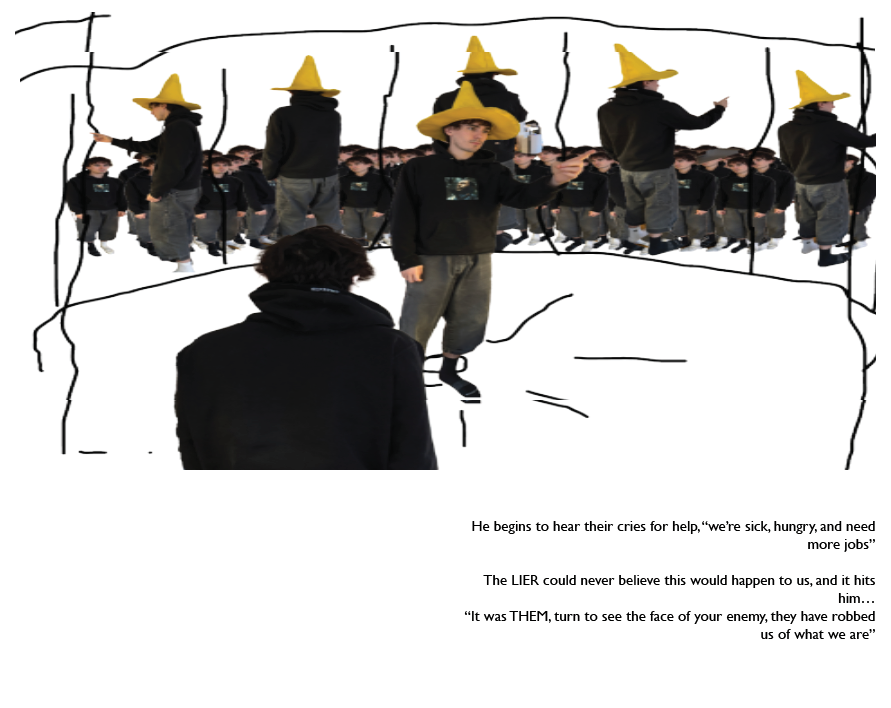
The United States as a beacon of virtue in a world of darkness, uniquely blessed but continuously endangered by foreign menaces. It animates modern epics about space explorers battling alien creatures, and gave special force to Cold War tales of an international plot to undermine U.S. democracy, and later of “evil” empires and axes. The lesson is that we must maintain vigilance, lest diabolical forces overwhelm us.
The Rot at the Top
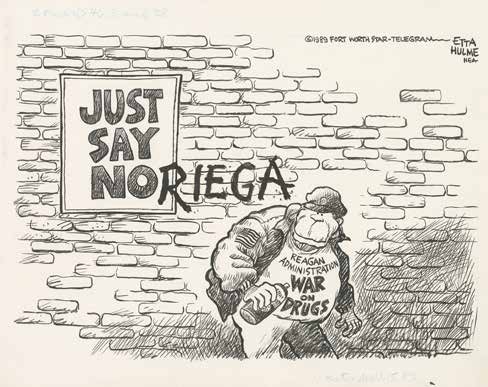
The malevolence of powerful elites, a tale of corruption, decadence, and conspiracy against the common citizen. It started with King George III and, to this day, shapes the way we view government, mostly with distrust. It inspired what historian Richard Hofstadter called the paranoid style in U.S. politics, from the pre-Civil-War Know-Nothings and Anti-Masonic movements through the Ku Klux Klan and Senator Joseph McCarthy’s witch hunts.